Don't forget to

it could help
save your life

“I’m so lucky. I urge women to pay attention to what’s going on in their body. They know themselves better than anybody else. If something’s bothering you, so what if they think you’re crazy, go the doctor.”

KATHY BATES
Actress
Ovarian Cancer National Alliance website
Image: Kevin Winter/Getty Images

How you can help prevent
OVARIAN CANCER

Your Self chec Keeping Healthy Guide

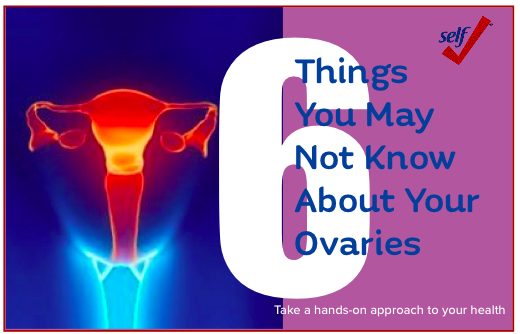
Until recently doctors thought that early-stage ovarian cancer rarely produced any symptoms, and there was no way to detect it early. We chose to include Ovarian cancer because new evidence has shown many women do have symptoms before the disease has spread. Being aware of this may lead to earlier detection of Ovarian cancer (and in some cases other gynecological disease like Uterine cancer), before they become life-altering.

What to Do

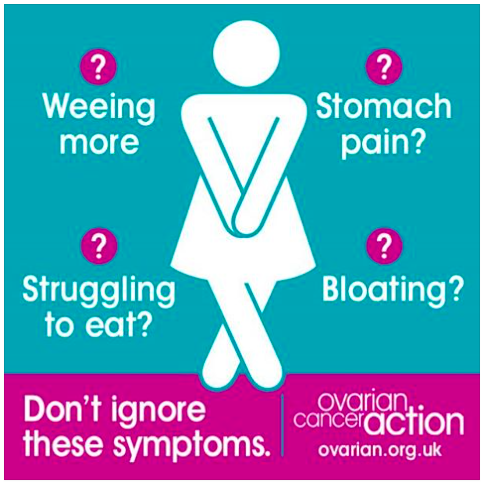
The following symptoms of ovarian cancer, and sometimes other gynecological cancers, tend to mimic those of other conditions, including digestive disorders. With a digestive disorder, they tend to come and go. With other gynecological cancers the symptoms are constant and will gradually worsen.

It is important to check with a doctor if you experience any of the symptoms described below, especially if they persist.

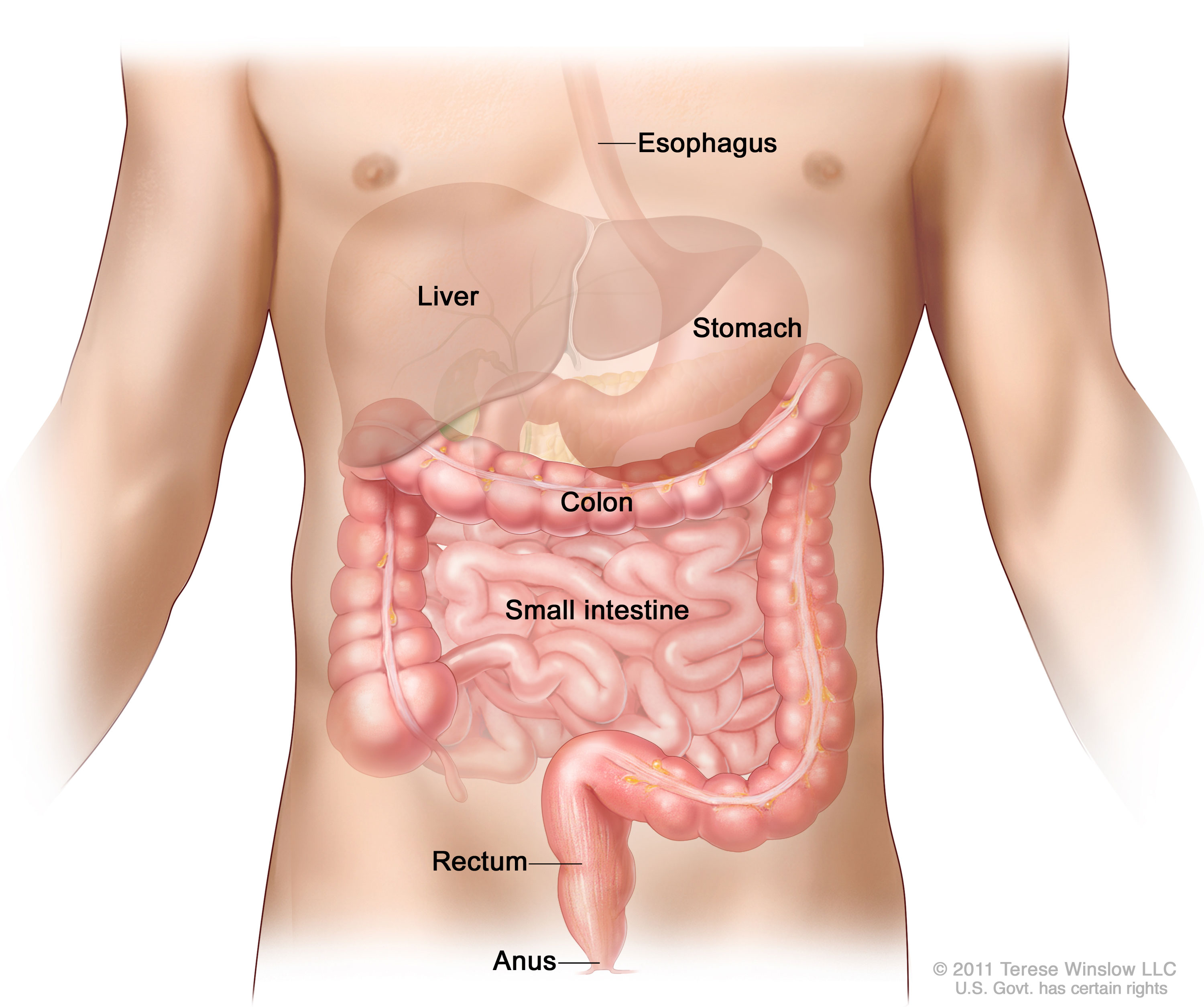
General abdominal or pelvic discomfort and/or pain (gas, indigestion, nausea, pressure, swelling, bloating, cramps)
Nausea, diarrhea, constipation, or urinary urgency and frequent urination
Loss of appetite
Unexplained weight loss or gain
Clothes fitting tighter around your waist
Pain during intercourse
Irregular periods
Abnormal bleeding from the vagina
A persistent lack of energy
Low back pain


IMPORTANT: The information on the cancer pages of this site was culled by the director of Self chec and initially reviewed by the folks at the Centers for Disease Control and Prevention, based on the newest information from the national cancer advisory organizations, including, but not limited to, the Centers for Disease Control and Prevention, The U.S. Preventive Services Task Force and American Cancer Society. We recognize that the national cancer advisory organizations sometimes do not agree about specific cancer guidelines, often making it confusing to the public about what to do. That is why we are asking you to err on the side of caution by always consulting a healthcare professional to advise you in the healthy choices you will make. Thank you.


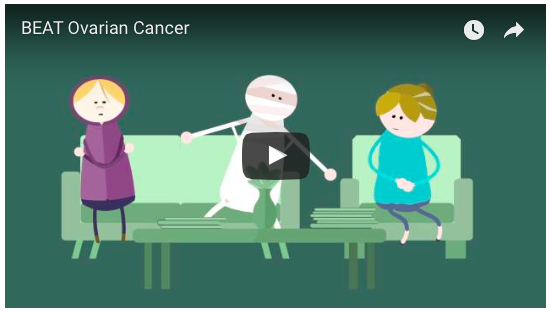
Start the conversation about Ovarian Cancer:


Back to top