- info@selfchec.org
Powered by Google  Translate
TranslateLose Weight

Possible Barriers To Losing Weight

In a study done in Sweden, women on weight-loss diets kept precise journals so researchers could uncover any stumbling blocks they may have. Researchers found that there were two types of significant barriers:
“Self struggles” that centered on difficulties in changing food habits, health problems, lack of self-control and insecurity about dieting success.
“Struggles” that centered on difficulties implementing a diet, both for social reasons like an unsupportive spouse, and food-focused reasons such as cravings and the cost of buying healthy food choices.
On the positive side, they also found identifiable factors called “facilitators“ that lead to success, like having clear goals and getting support for weight loss efforts, especially from family and friends.
How Other People Lose Weight And Keep It Of
According To The National Weight Control Registry:
- They reduce calorie and fat intake. See Eating Healthy for more information.
- They get enough sleep.
- They eat regular meals, including breakfast.
- They weigh themselves regularly, from once a day to once a week.
- They don’t let small slips turn into large weight regain.
- They get regular exercise.

How To Break Bad Habits
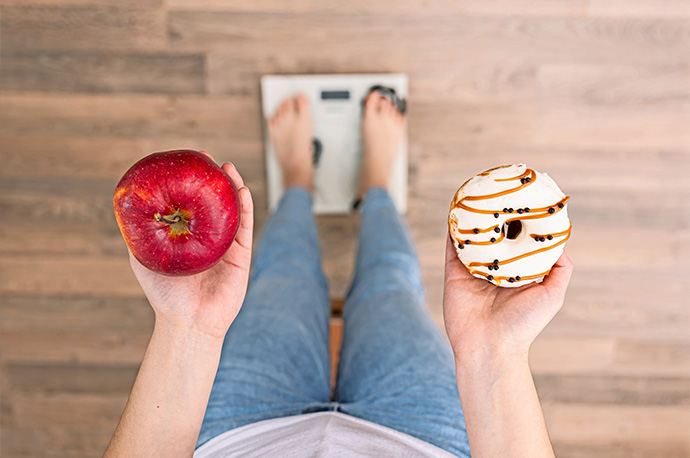
Understanding The Difference Between Learned And Unlearned Behaviors
Some of the reasons behind weight gain aren’t only a love of food. Many have to do with learned behaviors (bad habits):
Learned
Eating from stress or boredom. Stress can push you toward unhealthy behaviors, like eating for comfort and skipping exercise. But you can turn this around: Nutritious food and regular activity may help you ease the stress in your life.
How To Unlearn
Instead of reaching for a cookie when stress strikes, try these steps:
Understanding The Difference
Between
“Process” And “Outcome” Goals
An Outcome Goal is your saying “I’m going to lose 20 pounds”.
A Process Goal is saying “I’m going to cut out packaged foods and cut back by 500 calories a day. These are ways to reach your outcome goal.
What You Might Think About
Getting support—or at least understanding—from family and friends so they aren’t tempting you with “treats.”
Joining a support group, either in person or online—fellow dieters may be more likely to understand what you’re going through and provide a forum for exchanging tips.
A support group, especially one that includes a weigh-in, can also offer accountability, a good motivation to help you stick to your plan.

Here’s Where You Start

On paper, weight loss comes down to eating fewer calories than you burn off each day. Losing and keeping weight off is tough. It requires a sustained effort, and that means changes in meal planning as well as behavior.
Talk To Your Health Professional Before Starting A Weight-loss Program
In fact, studies have found that face-to-face counseling from your health professional leads to a greater likelihood of success. First, s/he can offer you guidance tailored to any health risks you might have. Then together you can decide on a weight loss goal and what it will take to reach it.
Keep Track Of Everything.
Why It’s Good To Keep A Journal
A journal will help keep track of what you eat which will put you on track to lose weight.
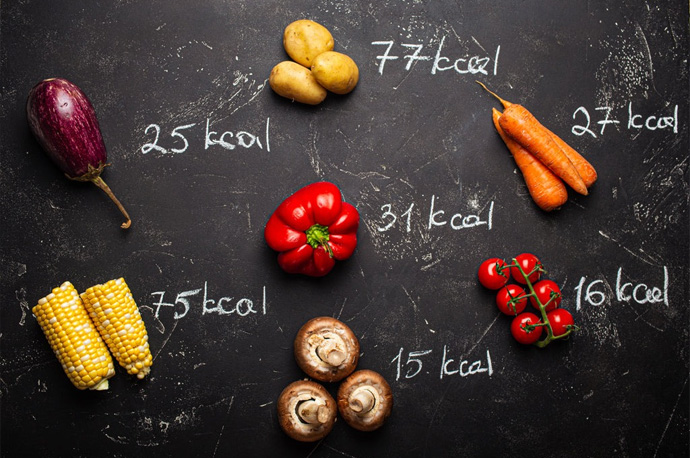
- Count calories. Log everything you eat. Don’t ignore a bite here and there—those calories add up.
- Measure portions. Weighing your food is often the only way to know if you’re eating healthy portions. With so many supersized meals available, you might not be aware of what recommended portion sizes look like. Once you get in the habit of using measuring cups and spoons and a small food scale, you’ll begin to see the difference between 3 ounces and 8 ounces. But sticking with measuring tools keeps you honest.
- Be watchful about nutritious food. Nutrition counts when you’re cutting back on calories. Choose the most nutrient-rich foods so that you still get your daily requirements. Read the Eat Healthier section on the Self chec website for ideas, but as a general rule, choose foods in their natural state, whole fruits and vegetables and whole grains.
- Avoid or at least limit processed foods, which have added sugar and salt.
Keeping Lost Weight Off
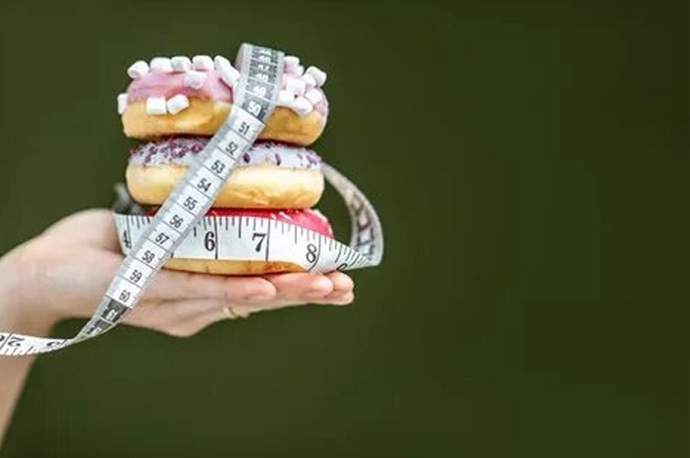
Studies suggest that the most successful way to keep weight off is to continue to watch calories. Think of the approach as still dieting but with a little more leeway.
Use the USDA’s Adult Calorie Needs and Body Mass Index Calculator to determine the number of calories needed each day to maintain your current weight.
Remember too, that it’s not just being at a healthy weight that keeps you healthy. It’s eating healthy and exercising.
The Best Food Ingredients To Shop For
Shopping For Food And Preparing Your Own Meals Gives You Control
Here’s a few good tips:
- Buy whatever you can, direct from fresh food markets.
- Minimize processed foods.
- Learn to read the nutrition fact labels.
- Compare the calories per serving/portion to the size of that serving/portion.
When looking at the percentages of the “daily value” of fats, especially saturated fat and transfat, and of carbohydrates, especially sugars, keep in mind that these are based on a 2,000 calorie a day diet.

How To Order In A Restaurant

Eating Out Is Fun, But Can Present Temptations
- If you’re going to a chain restaurant, study the restaurant’s menus online and look at calorie and fat content.
- If you’re going to a fine dining restaurant, try ordering an appetizer instead of an entrée, or share an entrée, or take half home. And beware of the bread basket.
Record what you eat as best you can in your journal, estimating portions and calories if needed. Again, keeping a record will help you make good choices in the future.
Save calories for food you may not always have a chance to eat, by not having your usual glass of wine, a cocktail or a beer. Keep calories in check by skipping the starchy side dishes and having two veggies instead.
Resources: Mayo Clinic Staff, MedlinePlus, Health.gov, USDA, American Heart Association
Frequently Asked Questions
Typical diets don’t work as promised. Here is information that will help empower you to action. Click questions below for more answers
Read about this study done in Sweden… Read more
The difference can make you more successful in losing weight. Read more
Six things that encourage successful weight loss… Read more
For a better chance at success, find out the difference between process and outcome goals… Read more
Just take those first baby steps. We’re here to help. Read more
Research shows that you’ll be more successful if you write things down. Here’s why… Read more
Use this tool to calculate the number of calories you need each day. Read more
Start your shopping list with these… Read more
Eating out should be fun and can be. A few useful hints on how to stay on track… Read more
What Self Chec Is Saying To You
If you've been too busy, overwhelmed, exhausted or simply convinced that you can get to it later, you need to know that "later" is the most dangerous word in healthcare.

Not Someday, Not Later, Now.
Sign Up To Be Reminded
.png)