- info@selfchec.org
Powered by Google  Translate
TranslateObesity

Assess Your Risk For Obesity
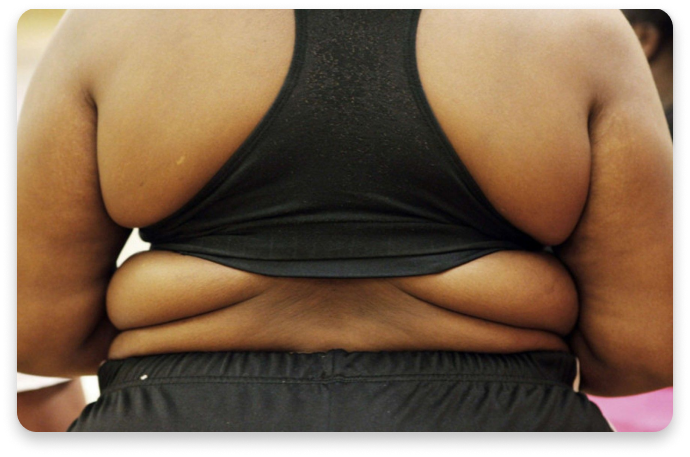
- Measure your BMI (Body Mass Index). Your body mass index measures how much body fat you carry in proportion to your height and weight. It applies to both adult men and women and can be applied to children. Your BMI doesn’t just indicate whether you’re overweight or obese, it’s also one way to assess the potential health risks associated with carrying excess pounds.
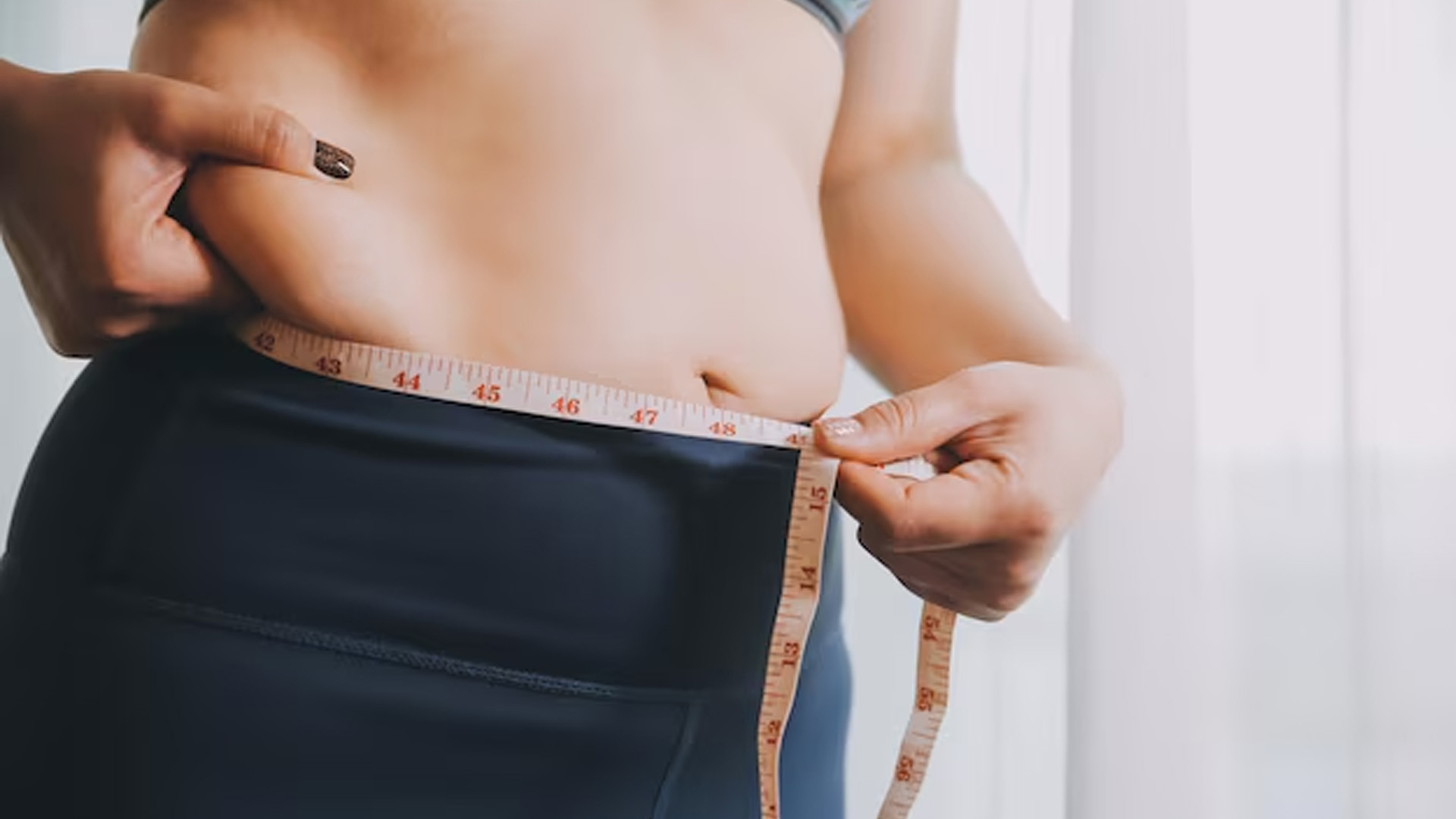
- Measure your waist circumference. Measuring waist circumference is important because abdominal fat is a predictor of risk for obesity-related diseases. If most of your fat is around your waist rather than at your hips, you’re at a higher risk for heart disease and type 2 diabetes and should be tested by your health professional for both.
- To correctly measure your waist, stand and place a non-stretchable tape measure around your middle, just above your hipbones. Measure your waist just after you breathe out. Now measure your hips. See placement of tape in diagram below.
How To Check Your Body Mass Index
One way that overweight and obesity are defined is by using your weight and height to calculate a number called the Body Mass Index or BMI.
- An adult who has a BMI between 25 and 29.9 is considered overweight.
- An adult who has a BMI of 30 or higher is considered obese.
- An adult who has a BMI over 35 is considered severely obese.
Click Here To Find Out Your BMI by inputting your height and weight.
Risk Factors Associated With Obesity
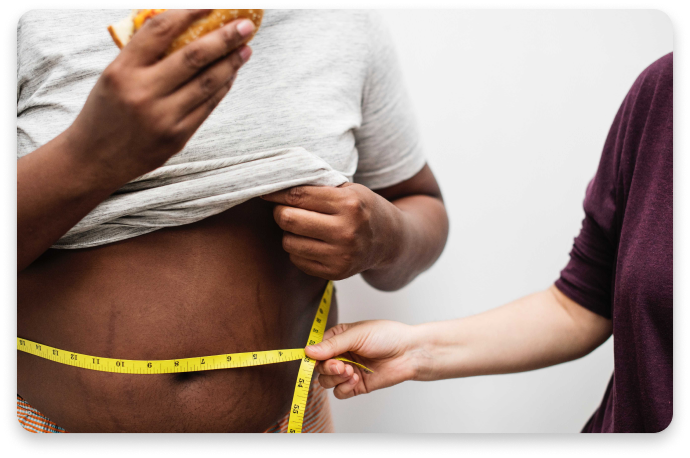
The cumulative effects of weight gain can put you at greater risk for diseases and conditions associated with obesity, such as heart disease and two other conditions that are being increasingly diagnosed: metabolic syndrome and non-alcoholic fatty liver disease.
Other risks may include:
- High blood pressure.
- High LDL (“bad”) cholesterol.
- Low HDL (“good”) cholesterol.
- High triglycerides.
- High blood sugar.
- Family history of premature heart disease.
Start losing weight now.
Reduce Your Chances Of Becoming Obese
- Get to a healthy weight. Losing just 7 to 10 percent of your current weight can benefit your health and your mental state.
- Eat a healthy diet. Diet isn’t only about fewer calories, it’s also about good nutrition. In general, increase fruits, vegetables and whole grains.
- Exercise. Aim for 30 minutes of moderate physical activity like brisk walking every day. You can achieve more health benefits, including increased weight loss. It’s been suggested that you ramp up your exercise to 300 minutes a week.
- Stop smoking. In addition to all the other risks to their health, smokers are nearly twice as likely to develop diabetes than non-smokers, and if you’re a heavy smoker, your risk is even greater. Quitting requires a commitment.
- Reduce stress. Making these changes will lower your chances of developing heart disease, diabetes, arthritis, fatty liver disease and some cancers, so they have total wellness benefits.
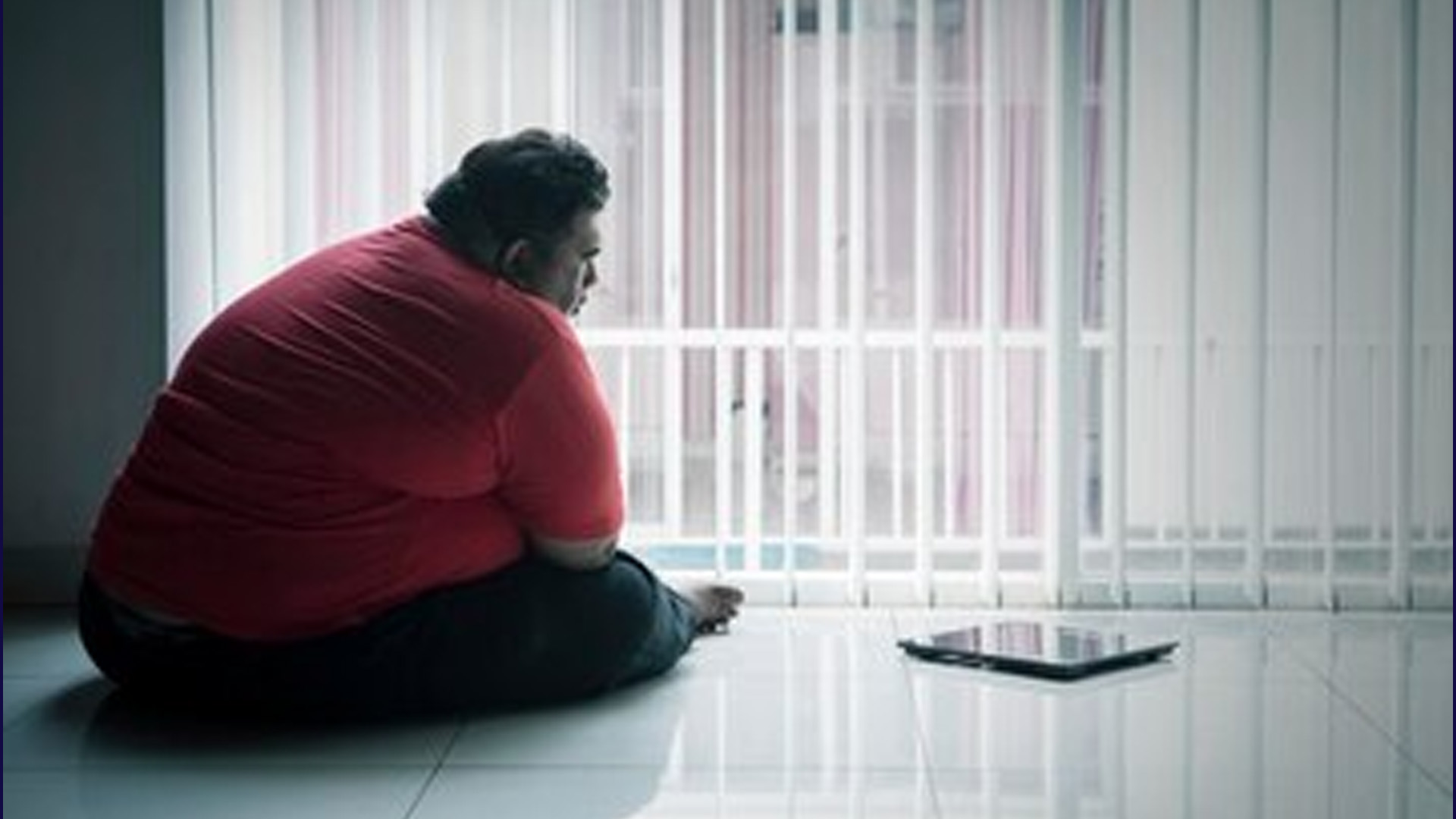
Side Effects Of Obesity That Signal A Serious Problem
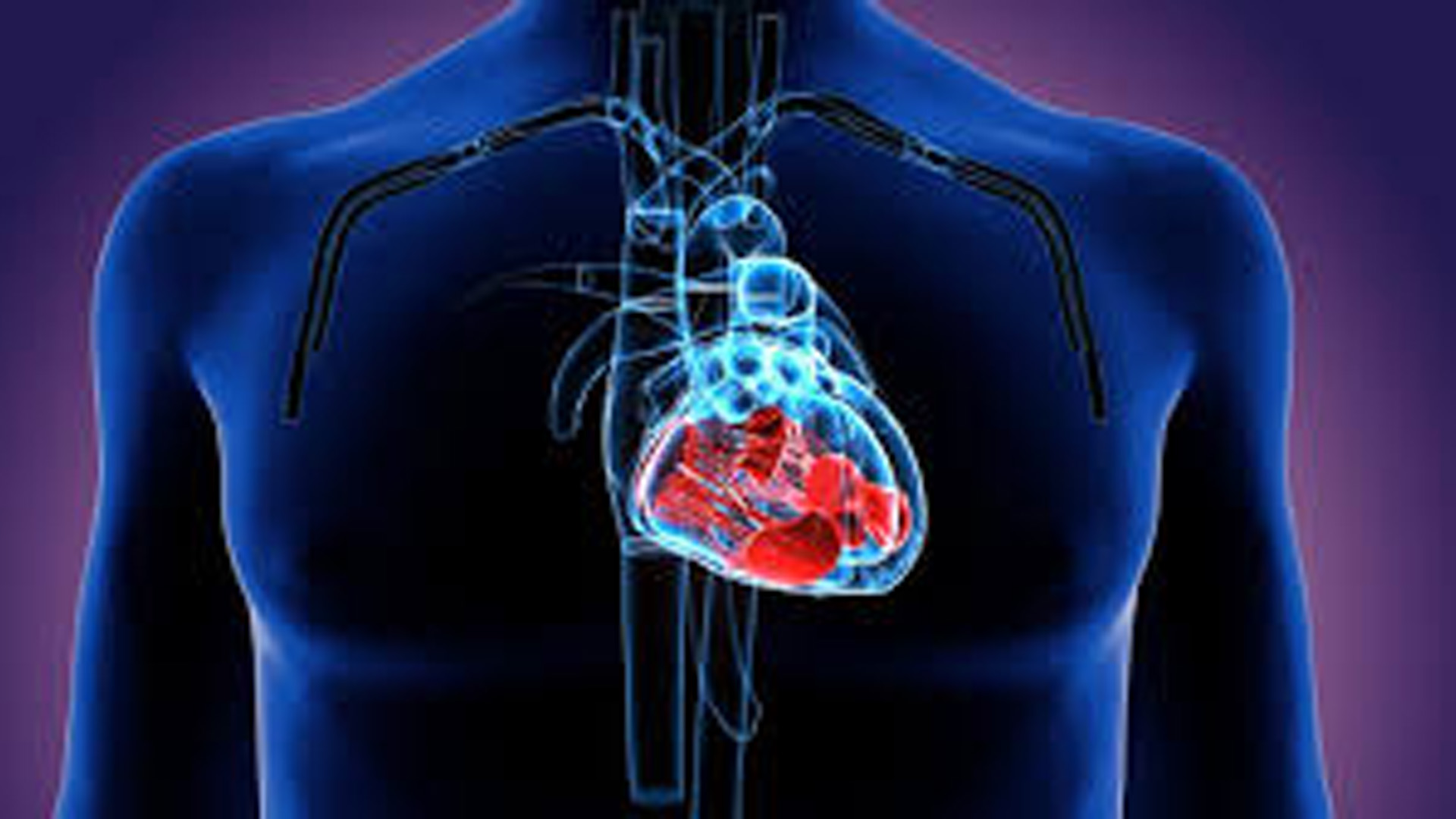
- Becoming breathless when you walk up stairs or a distance.
- Increased sweating.
- Snoring.
- Difficulty doing physical activity.
- Feeling tired all the time.
- Knee, hip and back pain.
- Low confidence and self-esteem.
- Feeling isolated.
Start losing weight now.
Frequently Asked Questions
.gif)
The medical profession has a guideline for defining obesity: a Body Mass Index (BMI) of 30 or greater. Read more. Click questions below for more answers.
It’s just a click away… Read more
People who are obese are at risk for many chronic diseases. Read more
Beyond the obvious ones—heart disease, diabetes, orthopedic problems—obesity has been linked to breast, colon, gall bladder and kidney cancer. Here are even more… Read more
Some changes you can make now to help break bad habits. Read more
What Self Chec Is Saying To You
If you've been too busy, overwhelmed, exhausted or simply convinced that you can get to it later, you need to know that "later" is the most dangerous word in healthcare.
Not Someday, Not Later, Now.
Sign Up To Be Reminded
.png)