- info@selfchec.org
Powered by Google  Translate
TranslateDiabetes
What Is Diabetes?
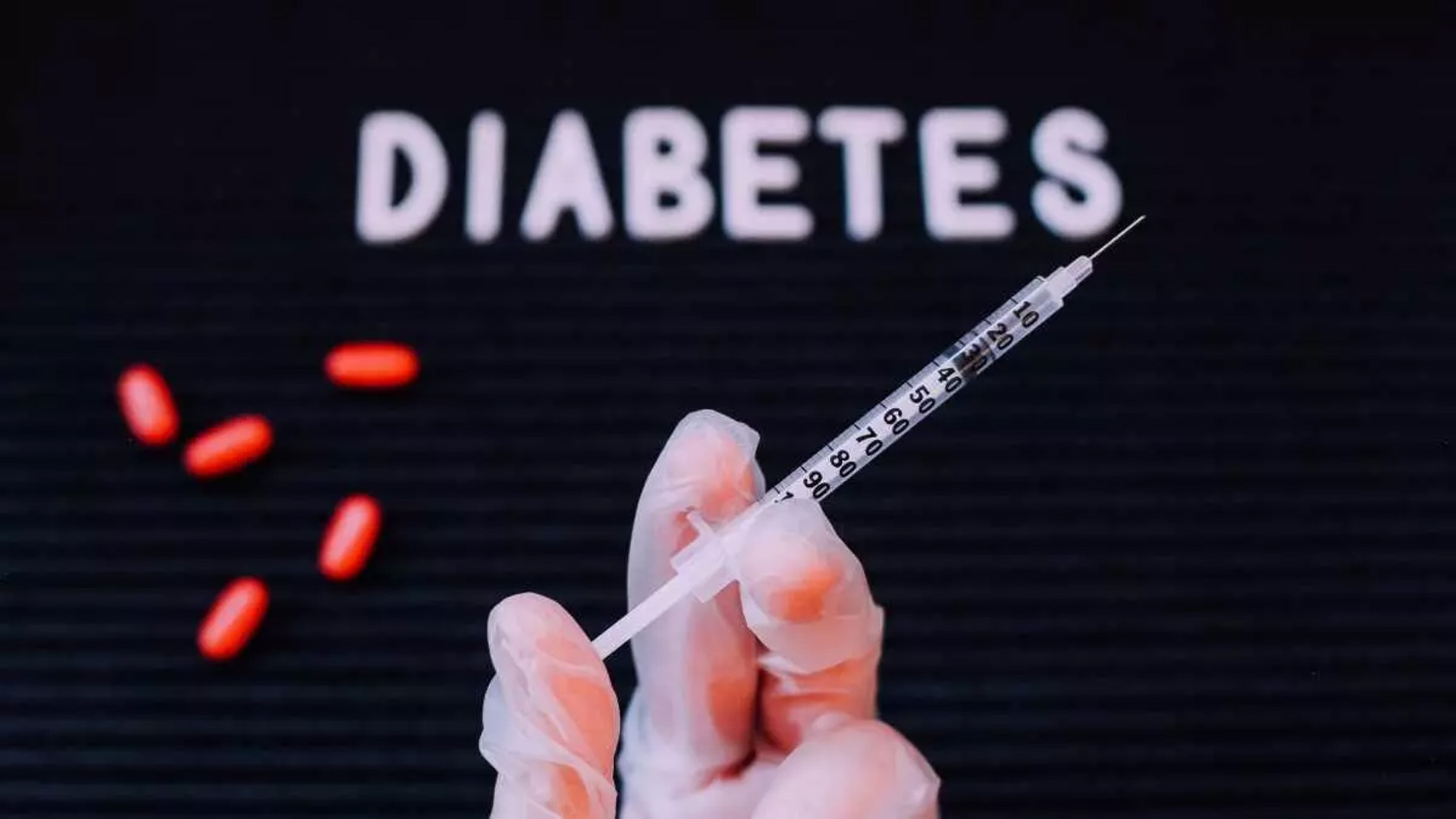
There Are Two Kinds Of Diabetes
Type 2 Diabetes is a condition
that affects the way your body
uses sugar, a key source of fuel from
carbohydrates found in starchy vegetables, sugary
beverages, desserts, pasta, beer and wine, white bread, even milk.
With type 2 diabetes, your body either doesn’t use insulin effectively (called insulin resistance) or your pancreas, which secretes insulin into your bloodstream, doesn’t produce enough to maintain a healthy blood sugar level.
As blood sugar levels increase, the insulin-producing cells in the pancreas can’t make enough insulin to meet demand.
Know Your Risk
Your Diabetes Risk Tool
Click the Diabetes Risk Calculator from The Siteman Cancer Center to help determine if you have any risks.
Exactly why some people get diabetes and others don’t isn’t clearly understood yet.
Other Risks May Include:
- Family history. Your risk of developing type 2 diabetes is higher if a parent or sibling has it.
- Race. Blacks, Hispanics, American Indians and Asian-Americans are more likely to develop type 2 diabetes than non-Hispanic whites.

The Signs and Symptoms Of Diabetes
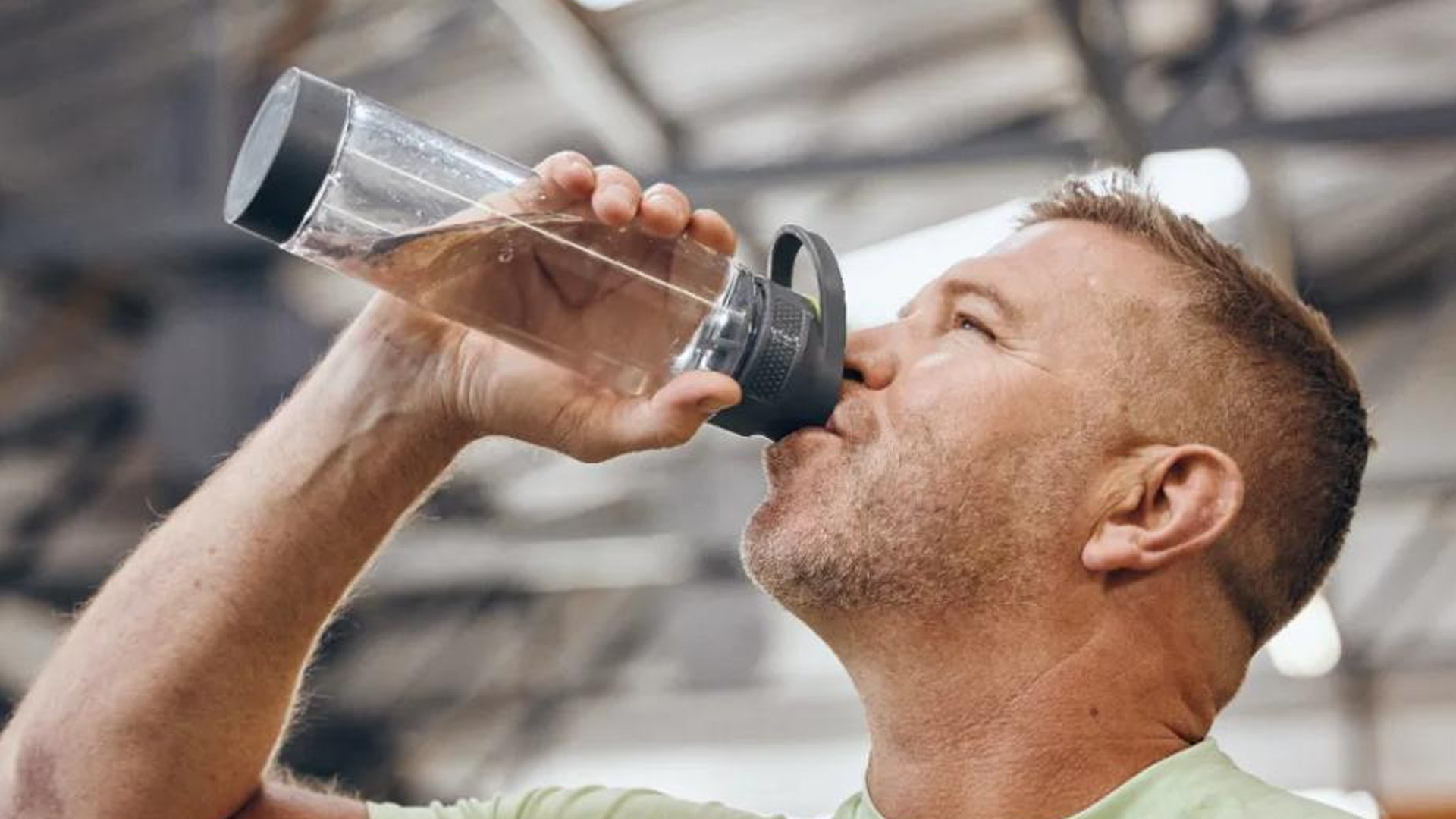
Sometimes diabetes symptoms are so mild that they go unnoticed.
- Frequent urination.
- Extreme thirst.
- Frequent hunger.
- Fatique.
- Blurry vision.
- Cuts or bruises that are slow to heal.
- Tingling, pain or numbness in your hands or feet.
If you experience any of these signs, get a doc-check as soon as possible.
The 4 Key Diet Changes
That Can Lower
Your
Diabetes Risk
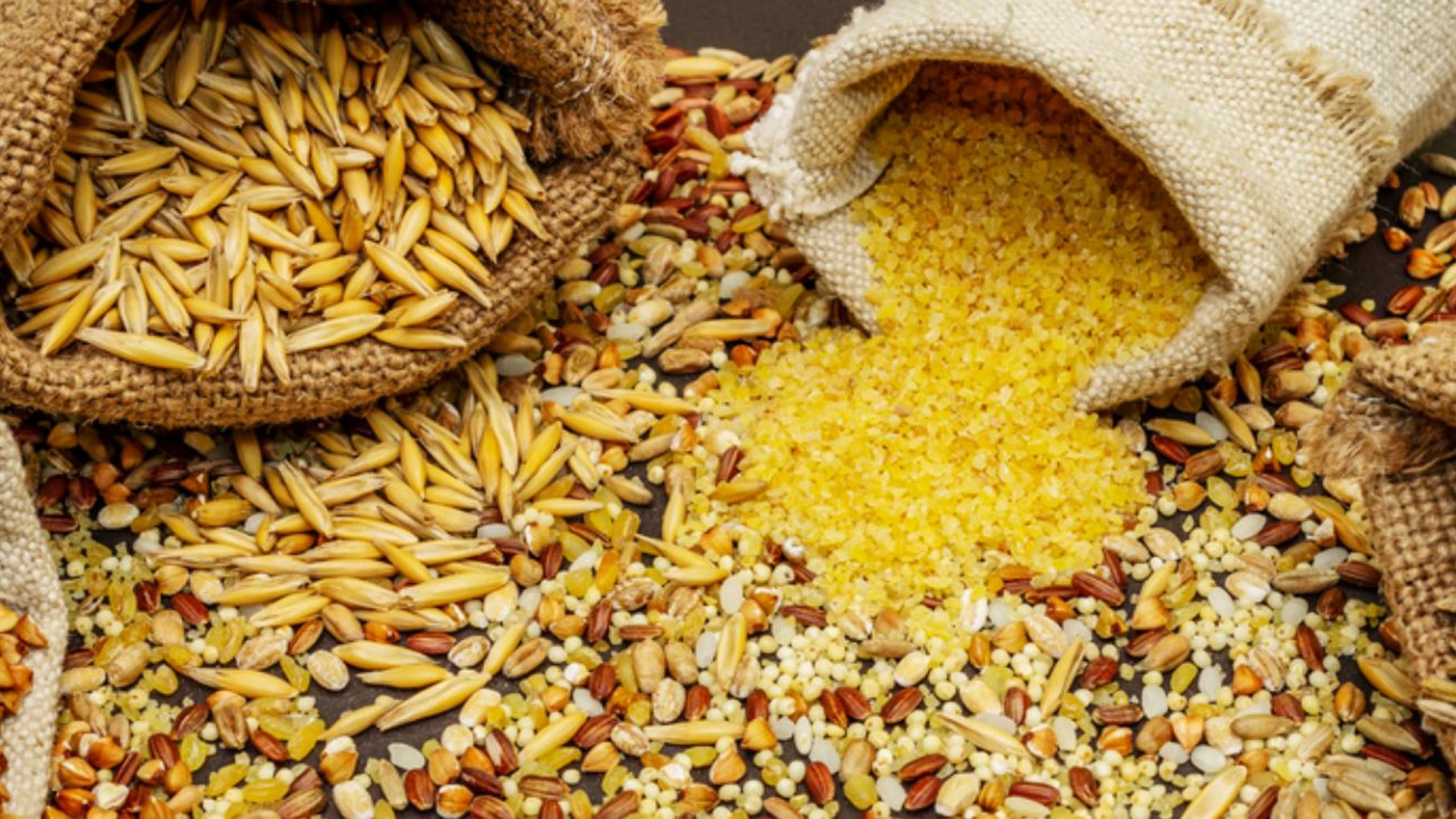
- Replace refined carbohydrates with whole grains. Processed carbs include regular pasta, white rice, white bread, typical breakfast cereals and foods made with white flour, which is refined.
- Refining takes out the healthful bran and fiber from the grain.
- Instead, aim for three servings a day of whole grains like whole-wheat pasta, brown or wild rice, whole grains like barley and quinoa, whole wheat and whole grain breads, whole grain breakfast cereals like bran flakes and oats and other foods made from whole grains.
- Whole grains aren’t as easily converted to sugar as refined grains, so you experience a lower, slower increase in blood sugar.
More Good Ways To
Reduce Your
Chances Of
Getting Diabetes
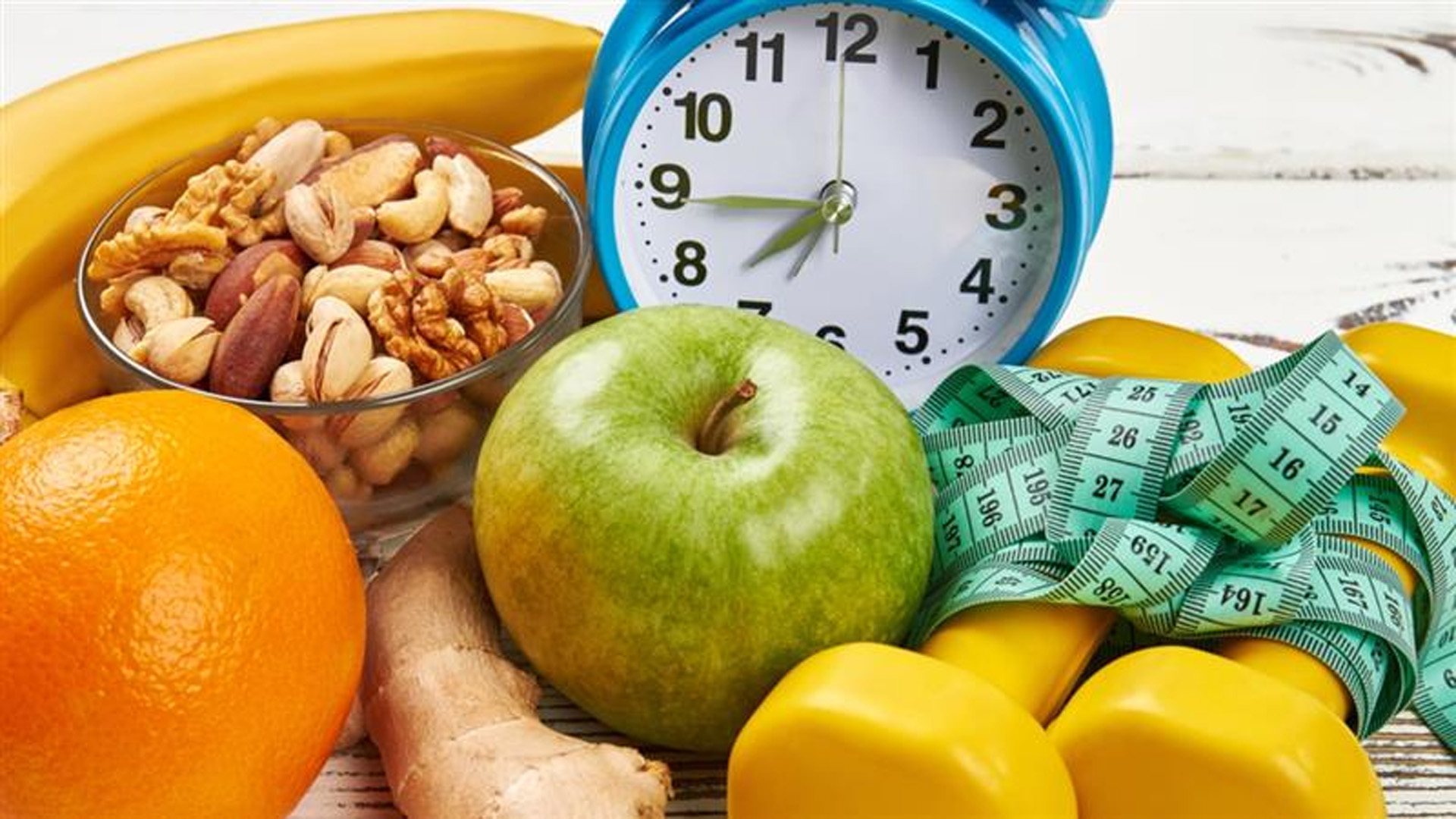
Even People At High Risk Can Cut Their Risk In Half By Doing This…
- Get to
a healthy
weight. Excess weight is the single most important cause
of diabetes. Losing just 7 to 10 percent of your current weight
can cut your chances of developing type 2 diabetes in half. Recent research shows that there is benefit as well in not gaining more weight. - Exercise. A
sedentary lifestyle is a serious risk factor for diabetes.
Aim for 30 minutes of moderate physical activity, like brisk walking, every day. If you can’t fit in one long workout, do three 10-minute sessions throughout the day, like before each meal (this may help
reduce your appetite, too).
Resource: CDC, Harvard and Mayo Clinic, Cleveland Clinic and American Diabetes Association
Frequently Asked Questions
.gif)
Learn all about diabetes and what it is. We’ll tell you about Type 1 and Type 2, and how they affect your health.
Knowledge is the first step to a healthier and diabetes free you. Read more
Learn what the most common risk factors are and use the Diabetes Risk Calculator Tool to see if you have any risk factors.
This can help you determine what changes you can make to reduce your risks. Read more
Learn all about the signs and symptoms related to the onset of diabetes. Some diabetes symptoms are so mild they go unnoticed until it’s too late for early treatment. We’re here to help ensure that doesn’t happen to you. Read more
Yes. Learn exactly what changes you can make to your diet today to reduce your risk of diabetes. We’ll show you which food types put you at higher risk for diabetes and explain why. We’ll show you how to replace certain unhealthy foods with healthy ones and more. Read more
Not all risk factors can be prevented. However, there are some things that you have control over. In fact, there are 4 steps you can take right now to reduce your risk of getting diabetes. Take the initiative today to improve your health and lower your risk. Read more
What Self Chec Is Saying To You
If you've been too busy, overwhelmed, exhausted or simply convinced that you can get to it later, you need to know that "later" is the most dangerous word in healthcare.
Not Someday, Not Later, Now.
Sign Up To Be Reminded
.png)