
- info@selfchec.org
Powered by Google  Translate
TranslateRisk Factors

Know The Leading Risk Factors For Some Cancers
ATTENTION: The government has disabled many of the websites Self chec uses to cull its expert information. Know that the information taken from their sites is still valid and will help you keep healthy.
Get Ready For A Long Section…
We hear the word “cancer” and we think of only one disease. However, cancer is made up of many different diseases that have different causes. Some cancer causes or risk factors, you have control over, while others are in your DNA, the unique inherited genetic material that defines each human being, and you do not have control over.

Genetics
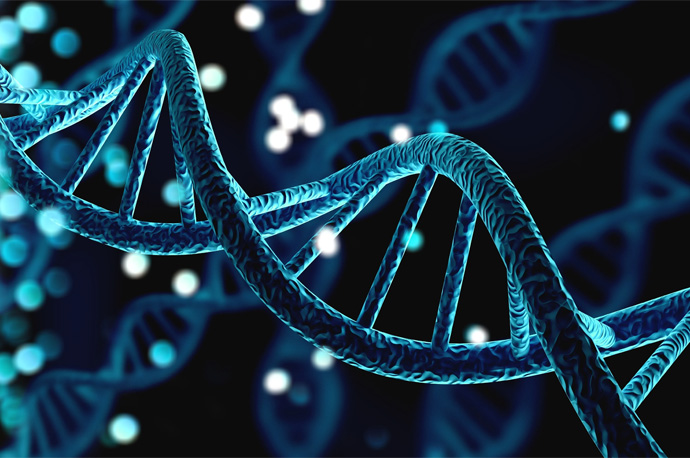
Inheriting certain genes from your parents raises your risk of cancer and other chronic diseases, but is not a guaranteed predictor. Genetics specialists estimate that only about 2 or 3 in every 100 cancers diagnosed are linked to an inherited gene fault.
Some genes carry a higher risk than others. For instance, women and men who have inherited certain changes in the BRCA1 and BRCA2 genes have a higher risk of breast, ovarian and prostate cancers.
Having a fair complexion—fair skin that freckles and burns easily, does not tan or tans poorly; blue, green or other light-colored eyes; and red or blond hair—is a risk factor for the most serious type of skin cancer, melanoma.
Outside Factors
All cancers develop because something has gone wrong with one or more of the genes in a cell. But most of these gene changes happen during our lives. They happen as we get older or because of something we are exposed to, such as cigarette smoke or sunlight. These substances are called carcinogens because they bring about changes in the genes that make body cells more likely to become cancerous. These gene changes don’t affect all body cells. They are not inherited and cannot be passed on to your children.
Tobacco

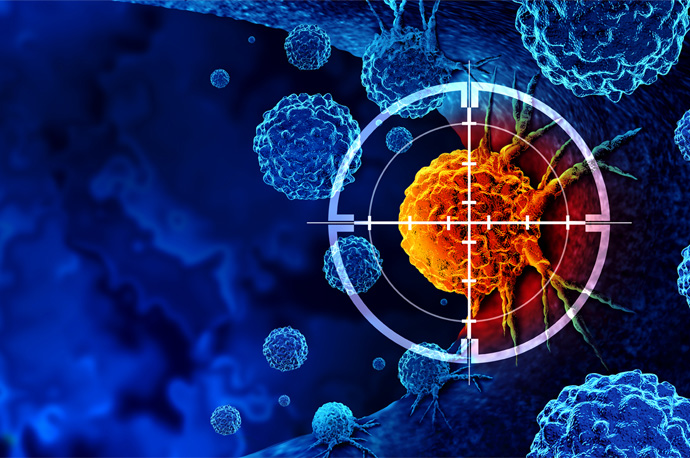
Cigarettes and tobacco products are at the top of the list of known risk factors for cancer as well as other illnesses like COPD and heart disease. Scientists estimate that cigarette smoking alone is responsible for 30 percent of the country’s cancer deaths and 20 percent of all deaths, including deaths from secondhand smoke and heart disease.
Specific cancers caused by tobacco include:
- Lung cancer, which accounts for 74 percent of tobacco-related cancer deaths
- Acute myelogenous leukemia (AML), a cancer of the blood
- Esophageal cancer
- Kidney cancer
Infections
Human Papillomavirus (HPV) increases the risk for Cervical, vaginal, penile, anal and oropharyngeal (affecting the middle part of the throat, which includes the base of the tongue, the tonsils, the soft palate, and the walls of the pharynx) cancers.
- Hepatitis B and hepatitis C viruses increase the risk for liver cancer.
- Epstein-Barr virus increases the risk for Burkitt lymphoma.
- H. pylori bacteria increases the risk for gastric cancer.
Radiation
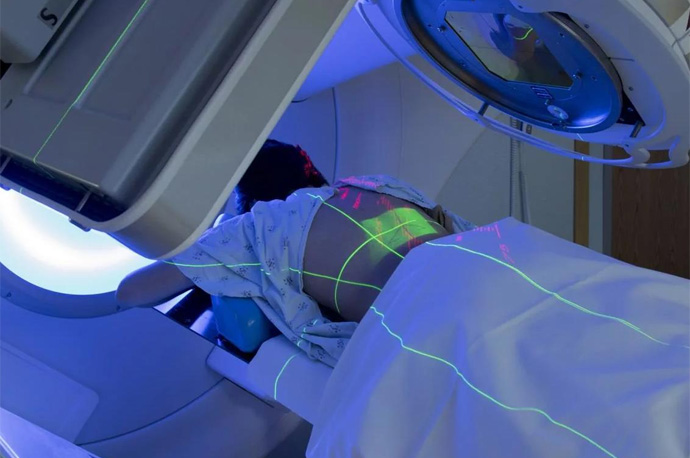
- Ultraviolet radiation from exposure to sunlight is the main cause of non-melanoma skin cancers and one cause of melanoma.
- Ionizing radiation including medical radiation from tests to diagnose cancer such as X-rays, CT and PET scans, fluoroscopy and nuclear medicine scans.
- Ionizing radiation causes leukemia, thyroid cancer and breast cancer in women and may be linked to myelomas and cancers of the lung, stomach, colon, esophagus, bladder and ovary.
- ( Magnetic resonance imaging or MRI and ultrasound do not involve exposure to ionizing radiation.)
- Radon gas in houses. Radon is a radioactive gas released by uranium, a natural substance found in soil and rock in many areas across the country. Breathing in too much radon can damage lung cells and may lead to lung cancer. A simple home air test can measure levels in your home.
Alcohol
Studies have shown that drinking alcohol is linked to an increased risk of:
- Oral cancer,
- Esophageal cancer
- Breast cancer —the level of risk rises as the amount of alcohol consumed rises
- Colorectal cancer (in men)
Drinking alcohol may also increase the risk of liver cancer and female colorectal cancer.

Environment

There are links between air pollution and cancer risk, including links between lung cancer and secondhand tobacco smoke, outdoor air pollution and asbestos.
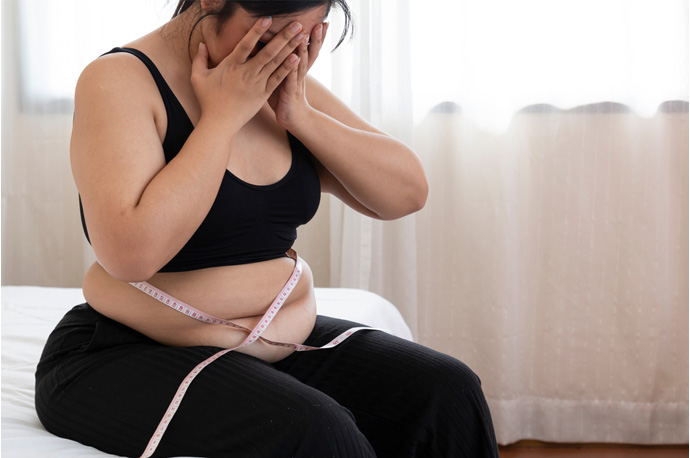
Obesity
Studies show that obesity is linked to a higher risk of:
- Breast cancer, typically in postmenopausal women who haven’t used replacement hormone therapy.
- Colorectal cancer
- Endometrial cancer
- Esophageal cancer
- Kidney cancer
- Pancreatic cancer
Many studies have looked at specific foods and their role in cancer, both as risk factors and possible prevention. Results of successive studies often contradict previous ones. However, there are health merits to eating well and minimizing processed foods since this approach is key to avoiding obesity, and obesity is a cancer risk factor. For more, see the Eat Healthy section.
What Self Chec Is Saying To You
If you've been too busy, overwhelmed, exhausted or simply convinced that you can get to it later, you need to know that "later" is the most dangerous word in healthcare.

Not Someday, Not Later, Now.
Sign Up To Be Reminded

.png)